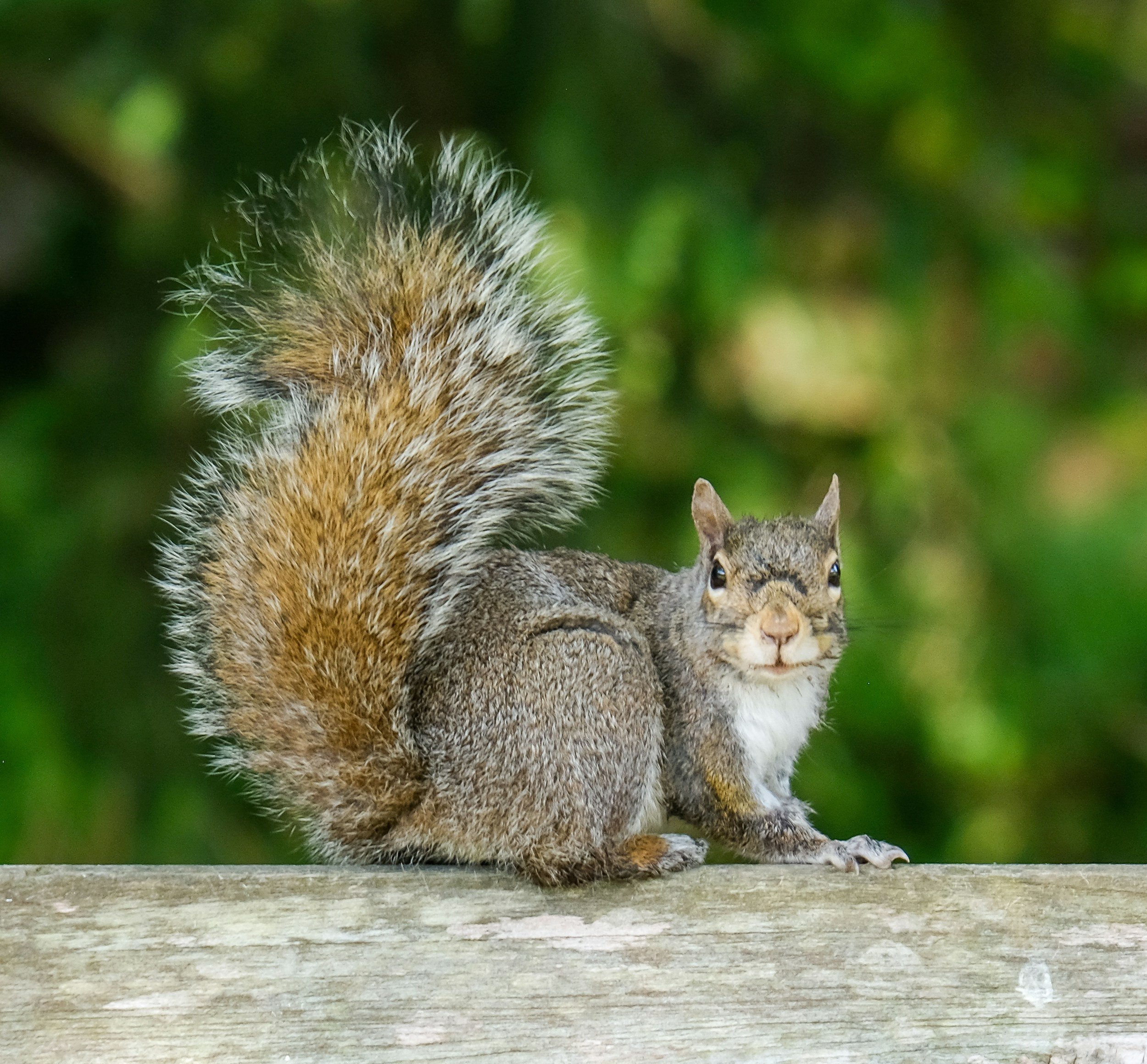
🐿️ Squirrel Facts
Squirrels are active during the day, unlike many other nuisance wildlife species.
Their front teeth never stop growing, so they constantly chew to keep them worn down.
They frequently chew on wood, plastic, and even electrical wiring.
Female squirrels usually have two litters each year.
Attics provide warm, protected nesting areas for raising babies.
Squirrels are excellent jumpers and can leap several feet between trees and rooftops.
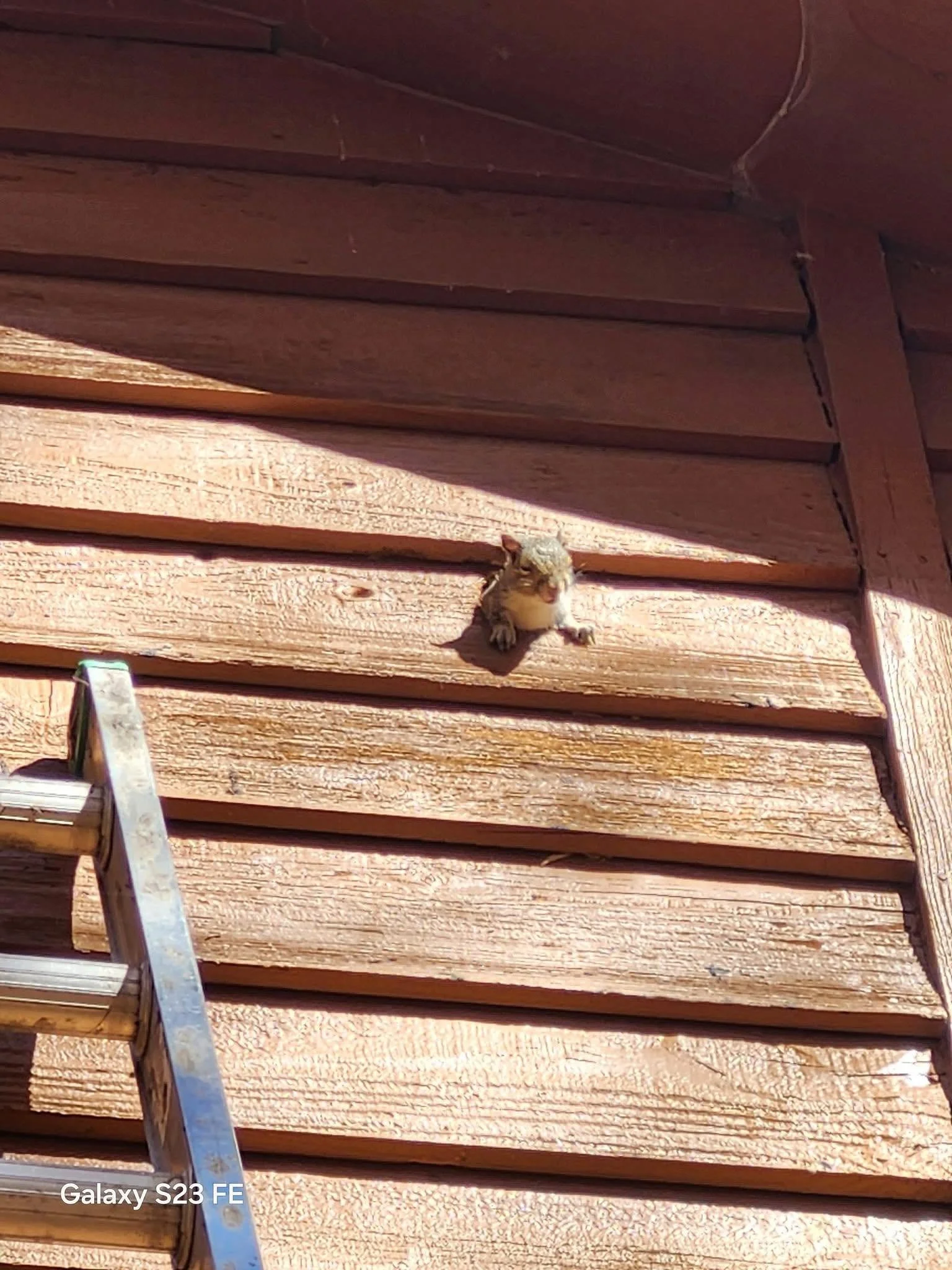
Squirrel Removal
Signs of a Squirrel Problem
Running or scratching in the attic
Chewing sounds during the day
Visible roof or soffit damage
Nesting materials in the attic
Squirrels entering roofline openings
Why Squirrels Enter Attics
Attics provide warmth, shelter, and a safe place to raise young. Female squirrels commonly seek attic spaces during spring and late summer.
Damage Squirrels Can Cause
Chewed electrical wiring
Damaged insulation
Torn ductwork
Roof and soffit damage
Fire hazards from exposed wiring
Baby Squirrel Season
Spring and late summer are common nesting seasons. We carefully inspect for babies before beginning any removal.
Humane Removal
We safely remove squirrels while taking extra care to reunite mothers and babies whenever possible.
Exclusion Services
Seal entry points
Install wildlife-proof vent covers
Repair roof and soffit damage
Prevent future entry
Repairs
Our team can repair wildlife damage and restore vulnerable areas after removal.
Frequently Asked Questions
Are squirrels dangerous?
While generally not aggressive, squirrels can bite if cornered and often cause significant property damage.
Will squirrels leave on their own?
Usually not. Once they've established a nest, they typically remain until removed.
Our Approach
Thorough attic and exterior inspection
Locate nesting areas
Humane squirrel removal
Safe removal of mothers and babies when present
Seal entry points
Repair wildlife damage
Replace damaged vent covers if needed
Help prevent future infestations