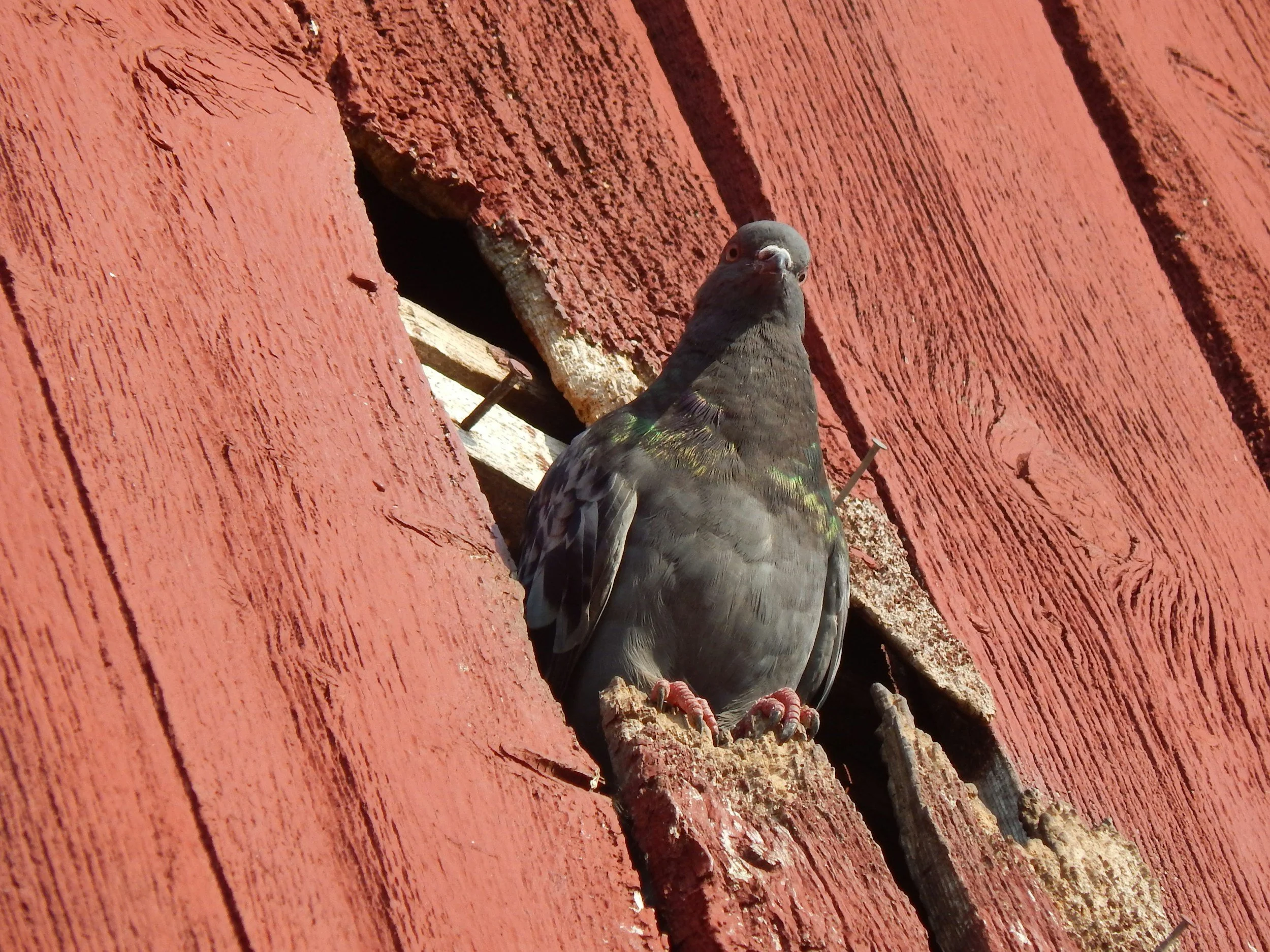
🐦 Bird Facts
Birds commonly nest in dryer vents, bathroom vents, chimneys, and building overhangs.
Nesting materials can block airflow and create fire hazards in dryer vents.
Many bird species return to successful nesting sites year after year.
Bird droppings can damage building materials and create sanitation concerns.
Some bird species are federally protected, limiting when nests may legally be removed.
Installing vent covers is one of the best ways to prevent future nesting.
Bird Control
Signs of a Bird Problem
Birds nesting in vents
Constant chirping
Nesting materials around your home
Droppings on structures
Birds entering commercial buildings
Birds in Dryer & Bathroom Vents
Birds commonly build nests in uncovered vents, creating fire hazards and blocking airflow.
Commercial Bird Control
We can help businesses address nuisance bird activity around warehouses, retail buildings, offices, apartment complexes, and other commercial properties.
Nest Removal
When legally permitted, we safely remove nests and nesting materials while following all applicable wildlife regulations.
Bird-Proofing
Bird exclusion products
Vent screening
Entry point sealing
Deterrent installation
Vent Covers
Installing professional vent covers helps prevent birds from nesting while maintaining proper airflow.
Cleanup & Sanitation
Bird droppings and nesting materials can create health concerns. We offer cleanup and sanitation services when needed.
Frequently Asked Questions
Can birds damage my home?
Yes. Birds can clog vents, damage insulation, create fire hazards, and leave corrosive droppings.
Do birds return to the same nest?
Many species return to successful nesting sites each year if access remains available.
Our Approach
Inspect nesting and roosting areas
Identify bird entry points
Humane bird removal when appropriate
Remove nests where permitted
Install bird-proofing solutions
Repair damaged vents or openings
Clean affected areas if needed
Help prevent future nesting